On Mounjaro and eating less? Heres why protein matters more than ever during your weight loss journey, and how to make sure you are getting enough.
When you start Mounjaro (tirzepatide), one of the first things you notice is that your appetite changes. Some days you barely think about food. Other days you eat a small meal and feel completely full. That effect is exactly what makes the medication so effective for weight loss, but it also raises an important question: are you still giving your body what it needs?
One nutrient that deserves special attention during this time is protein. Most people on Mounjaro end up eating less overall, and when portions shrink, protein is often the first thing that gets cut. That is a problem, because protein becomes even more critical when you are trying to lose weight.
Why Protein Matters More During Weight Loss
Your body uses protein to build and repair tissue, support your immune system, and keep your muscles functioning. When you are in a caloric deficit, your body does not just burn fat. It can also break down muscle if you are not careful. Protein protects your lean mass, which keeps your metabolism running and helps you feel strong as the weight comes off.
Getting enough protein also helps with something very practical: staying full between meals. Protein digests more slowly than carbs, so it keeps you satisfied longer. On Mounjaro, where your stomach empties more slowly and your hunger signals are dialed down, a protein-rich meal can make the difference between feeling energized and feeling shaky by midmorning.
How Much Protein Do You Actually Need
The general recommendation for adults is around 0.8 grams of protein per kilogram of body weight per day for basic maintenance. But when you are actively losing weight, especially with a medication that suppresses appetite, that number should be higher. Most nutrition experts suggest aiming for 1.2 to 1.6 grams per kilogram. For a person who weighs 90 kilograms, that works out to roughly 110 to 145 grams of protein daily.
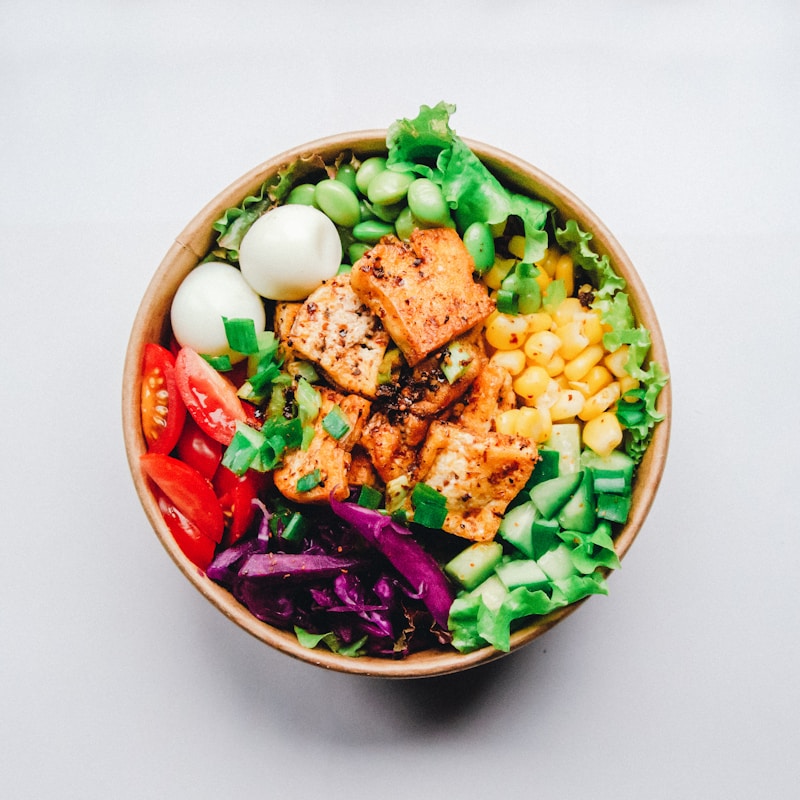
That might sound like a lot if your portions have gotten smaller. The good news is that you do not need to eat enormous amounts to get there. A chicken breast at lunch, a serving of Greek yogurt as a snack, and a piece of fish at dinner can get you close to that range without forcing you to eat more than your appetite allows.
If you find it hard to track how much protein you are getting each day, using a simple logging tool can help. OzemPro lets you record what you eat and breaks down your daily intake so you can see whether you are hitting your protein goals. That kind of visibility makes it much easier to make small adjustments instead of guessing.
What Protein Sources Work Best
You do not have to eat only chicken breast and boiled eggs. Protein comes in many forms, and variety makes it easier to stick with. Good options include eggs, cottage cheese, Greek yogurt, lentils, tofu, fish, turkey, and Greek yogurt. If you eat dairy, low-fat cheese and milk are also solid sources.
Plant-based eaters can combine sources like rice and beans, hummus and whole grain pita, or tofu with quinoa to get a complete amino acid profile. The key is not perfection, it is consistency. Getting close to your target most days is far better than aiming for perfection and falling short.
One practical tip: prioritize protein at your first meal of the day. If you eat breakfast, make sure it includes some protein. If you skip breakfast, make the first thing you eat protein-forward. That sets the tone for the rest of the day and helps you distribute your intake more evenly rather than trying to play catch-up at dinner.
Common Challenges on Mounjaro
Because Mounjaro slows gastric emptying, some people find that high-protein foods feel heavy or sit poorly in their stomach. If that happens to you, try spreading protein across more small meals instead of trying to fit it all into two or three sittings. Smoothies with protein powder, scrambled eggs, or fish that is baked soft can be easier to tolerate than a dense chicken steak.
Another issue many people run into is taste changes or mild nausea that makes certain foods unappealing. If your usual protein sources suddenly sound gross, do not force it. Keep a short list of alternatives you can rotate in. Variety keeps it manageable.
Some people also notice they are eating so little that they forget to eat protein entirely. If your calorie intake drops very low, your body may not get enough amino acids to maintain muscle, and you might feel fatigued, dizzy, or notice hair thinning over time. Those are signs that something needs to change in your approach.
Tracking your food with a simple app helps catch these gaps before they become bigger problems. OzemPro is built for exactly this. You log what you eat, and the app helps you spot whether your protein intake is drifting too low over days and weeks.
Building a Simple Protein-Focused Day
Here is what a protein-aware day might look like on Mounjaro.
Breakfast could be two eggs scrambled with a bit of cheese and a small side of avocado. Lunch could be a can of tuna or leftover chicken with mixed greens and olive oil dressing. Snack could be a small handful of almonds or a serving of cottage cheese. Dinner could be salmon or baked tofu with roasted vegetables.
This is just an example. Your portions will be smaller than they were before starting Mounjaro, and that is completely normal. The goal is to make the most of what you do eat by ensuring protein is present in each meal.
If you are unsure where you stand, try logging your meals for three to five days just to see your baseline. You might discover you are doing better than you thought, or you might find a gap you can easily fix with one small adjustment.
The Bottom Line
Mounjaro changes how much you eat, and that is a good thing for weight loss. But it also means you need to be more intentional about what goes into the calories you do consume. Protein is not optional. It is the structural foundation of your body, and it protects your results as the weight comes off.
You do not need to become a bodybuilder or stress over every gram. Small, consistent choices add up. Prioritize protein at meals, notice how your body responds, and adjust as needed.
If tracking all of this feels like one more thing on your plate, start simple. Log your meals for a few days and look at your protein intake. You might be surprised by how close you already are.
Start tracking your meals and protein intake with OzemPro today.
Aviso: Este conteúdo é apenas informativo e não substitui orientação médica profissional. Consulte sempre seu médico antes de iniciar, alterar ou interromper qualquer tratamento.